The democratization of startup investing has fundamentally changed how founders raise early-stage capital. A decade ago, securing an angel investor required navigating an exclusive, localized country-club network. Today, the challenge isn't access; the challenge is filtration. With millions of self-proclaimed angel investors operating globally, finding the right individual who understands your specific industry and writes checks at your specific stage is like searching for a needle in a digital haystack.
This is precisely where investor platforms become invaluable. The best angel investor directories for startups do more than just provide a list of names and email addresses. They act as sophisticated matching engines, allowing founders to filter by investment thesis, check size, geographic preference, and historical portfolio data.
However, blasting a generic, copy-pasted pitch deck to a thousand random investors on a directory is a guaranteed strategy for failure. To successfully utilize these platforms in 2026, you must understand the distinct mechanics and unwritten rules of each specific ecosystem.
Quick Takeaways: Top Angel Investor Directories & Platforms
If you are a founder actively looking to source early-stage capital, here is the executive summary of the best angel investor directories for startups currently operating in the market:
AngelList: The premier platform for connecting with syndicates and individual angels, managing over 100,000 startups.
OpenVC: Highly regarded as a founder-first platform, allowing entrepreneurs to filter investors by thesis and reach out directly without expensive paywalls.
Gust: The primary infrastructure platform used by formal angel groups and regional syndicates to screen and manage inbound deal flow.
Crunchbase: The essential engine for researching investor profiles, reverse-engineering funding histories, and verifying if an angel is actively deploying capital.
Angel Investment Network (AIN): A massive global directory connecting entrepreneurs with wealthy individuals across virtually every commercial sector.
Angel Capital Association (ACA): The gold standard directory for locating accredited, highly professional angel groups for targeted, institutional-grade outreach.
StartEngine & WeFunder: Leading equity crowdfunding platforms that allow both accredited angels and non-accredited retail investors to participate in your round.
Below, we break down exactly how to leverage each of these platforms to systematically build your capitalization table.
The Big Four: Top Angel Investor Directories in 2026
When building a targeted outreach list for your Pre-Seed or Seed round, these four platforms should represent the core foundation of your strategy. While these platforms are immensely powerful, understanding exactly where pre-seed founders find angel investors often requires creatively blending digital databases with warm introductions.
1. AngelList: The Industry Standard for Syndicates
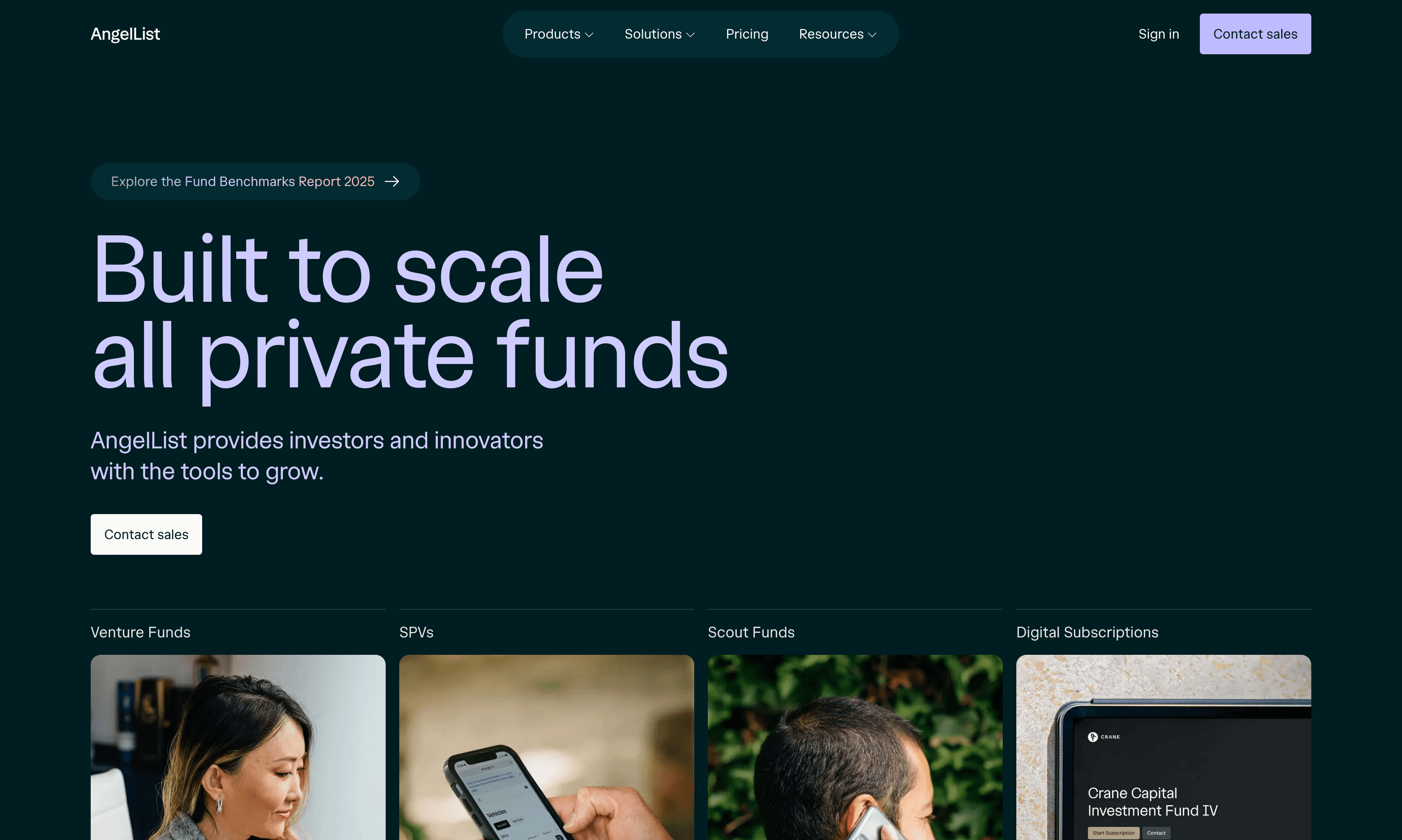
AngelList remains the undisputed heavyweight champion of the early-stage fundraising world. Boasting a network of over five million members, it is the premier destination for connecting with active capital. However, AngelList has evolved significantly from its early days as a simple directory. If you are trying to understand the underlying infrastructure, comparing AngelList vs Signal for finding investors helps distinctly differentiate transactional syndicates from relationship-mapping CRMs.
Today, AngelList's greatest strength lies in its Syndicate model. Instead of convincing fifty individual angels to write $5,000 checks, you pitch a Syndicate Lead—a highly connected, reputable investor who has gathered a pool of capital from smaller backers. If the Lead decides to invest, the entire syndicate follows. This pools the resources of multiple investors into a single line item on your cap table, drastically reducing administrative chaos. If you are raising a fast, competitive round, AngelList is mandatory.
2. OpenVC: The Founder-First Outreach Database
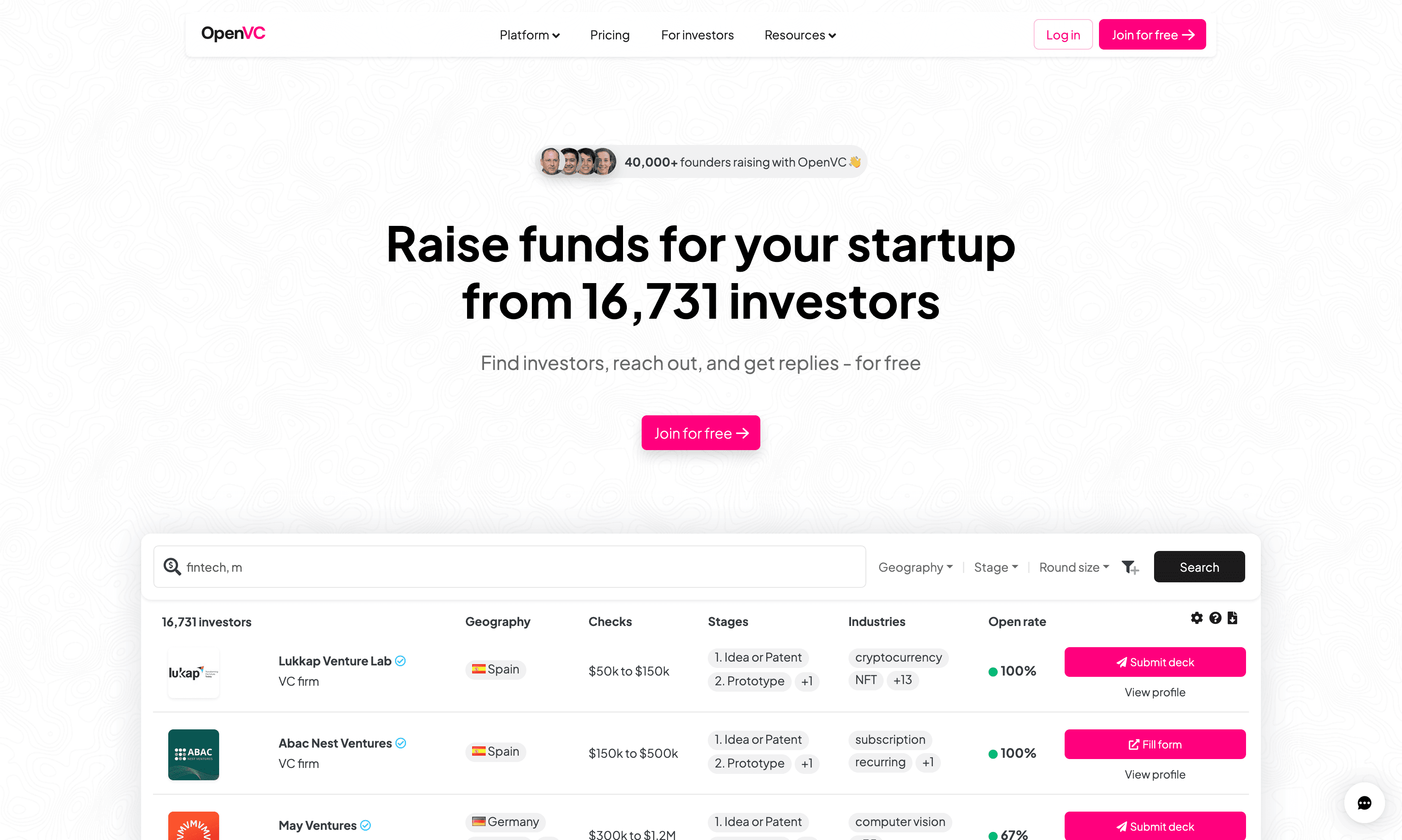
While many directories trap their most valuable data behind predatory subscription tiers, OpenVC has earned an exceptional reputation for being genuinely "founder-first." OpenVC operates as a highly intuitive, incredibly dense database of thousands of investors, venture capital firms, and angels.
What makes OpenVC exceptionally powerful is its filtering granularity. You can filter investors strictly by the exact stage they fund (e.g., Pre-Revenue, MVP, Seed) and the specific verticals they focus on. Furthermore, OpenVC often provides direct, verified email addresses or specific instructions on exactly how an investor prefers to receive a cold pitch. It is the ultimate tool for executing highly targeted, personalized outbound campaigns.
3. Gust: The Aggregator for Formal Angel Groups
If you are seeking capital from established, formal angel associations rather than solo rogue angels, Gust is your primary battleground. Gust operates as the backend infrastructure for the vast majority of professional angel groups worldwide. Because formal angel groups typically provide deep mentorship, knowing how to identify active vs passive angel investors within the syndicate itself helps you manage future board expectations.
Instead of emailing the president of your local city's angel group, you will almost certainly be asked to submit a formal application through Gust. The platform standardizes the application process, requiring you to upload a highly structured profile detailing your financials, your pitch deck, and your team's background. Angels within these groups use Gust to collaborate, vote on deals, and manage their joint due diligence.
4. Crunchbase: The Reverse-Diligence Engine
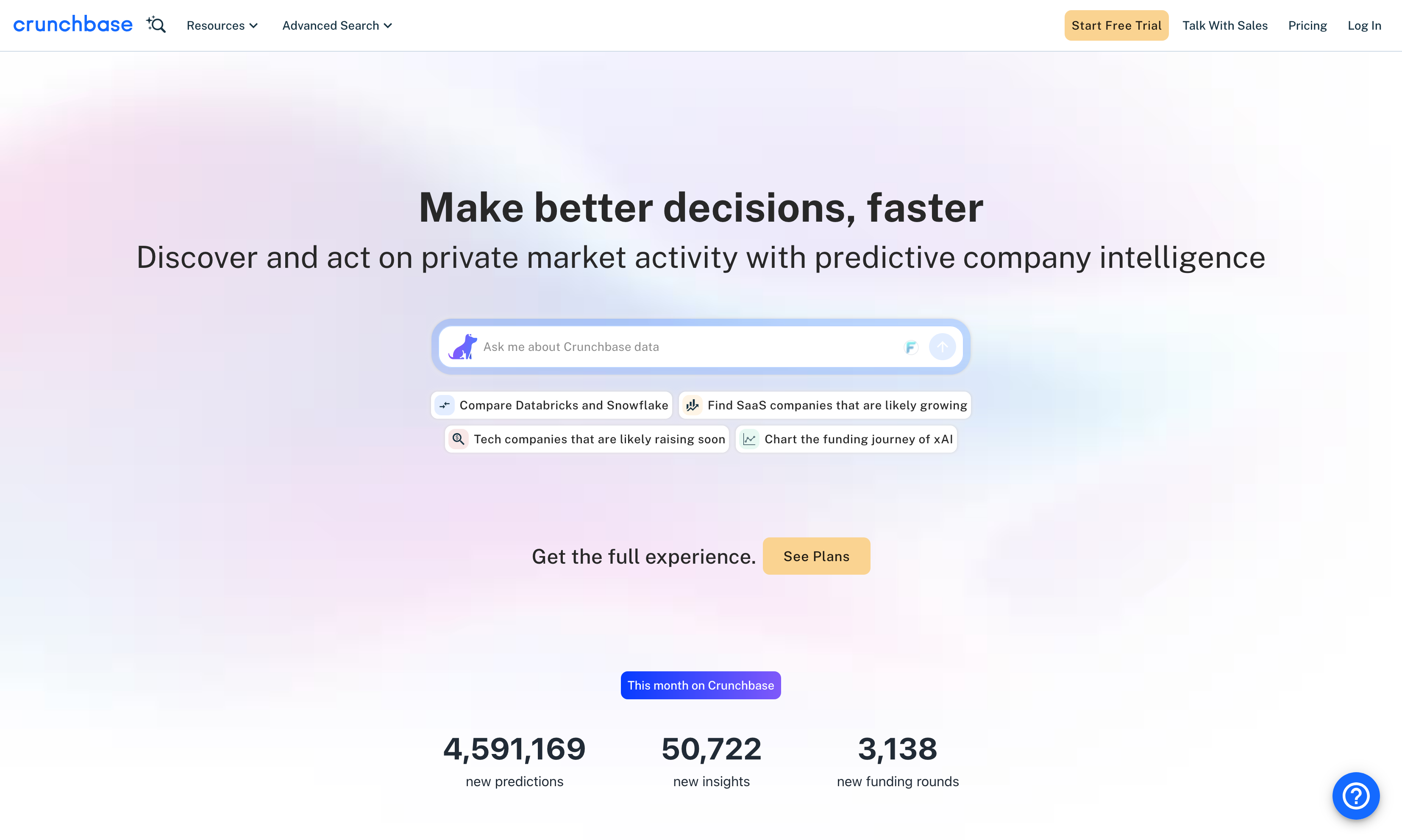
While Crunchbase is technically a broader startup database rather than a direct messaging platform, it is an absolutely essential directory for any founder raising capital. You do not use Crunchbase to randomly cold-email people. You use Crunchbase to reverse-engineer success.
The most effective way to use Crunchbase is to find successful startups that are exactly two stages ahead of you in your specific industry. Look at their capitalization table. Find out exactly which angel investors funded their Seed round. Because those angels have already demonstrated an appetite for your specific market, they are infinitely more likely to invest in you than a random angel pulled from a generic list. Crunchbase is the ultimate tool for building a hyper-targeted, high-probability outreach list.
Global Networks and Accredited Associations
For founders building hardware, deep tech, or businesses outside of the traditional SaaS bubble, casting a wider, more geographically diverse net is often necessary.
5. Angel Investment Network (AIN)
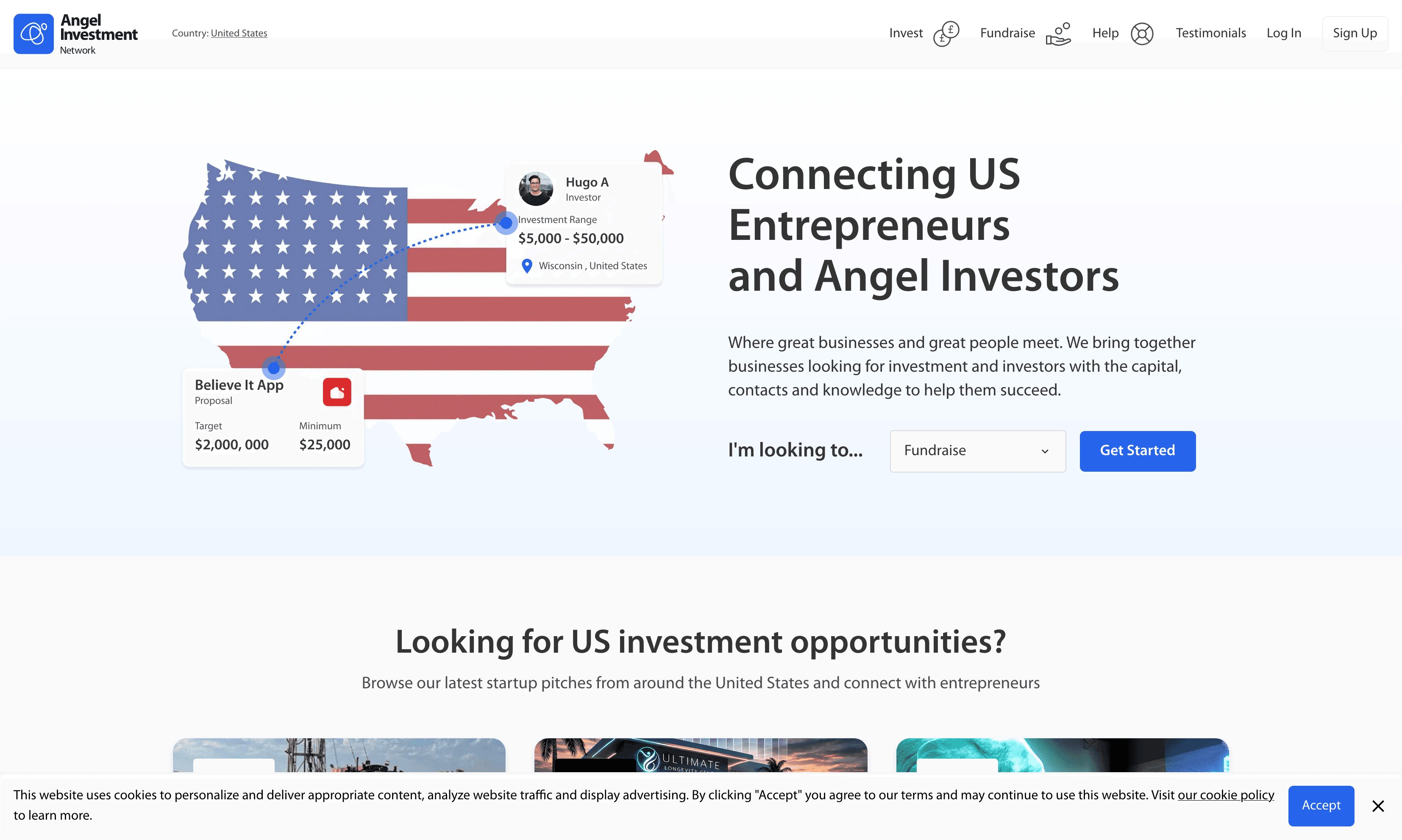
The Angel Investment Network is one of the largest global platforms, distinctly categorized by region and country. While Silicon Valley software startups often stick to platforms like AngelList, AIN is exceptionally useful for founders building physical consumer goods, real estate technology, or localized service businesses. The platform allows founders to post their pitch and actively connects them with high-net-worth individuals explicitly looking to diversify their wealth outside of the stock market.
6. Angel Capital Association (ACA)
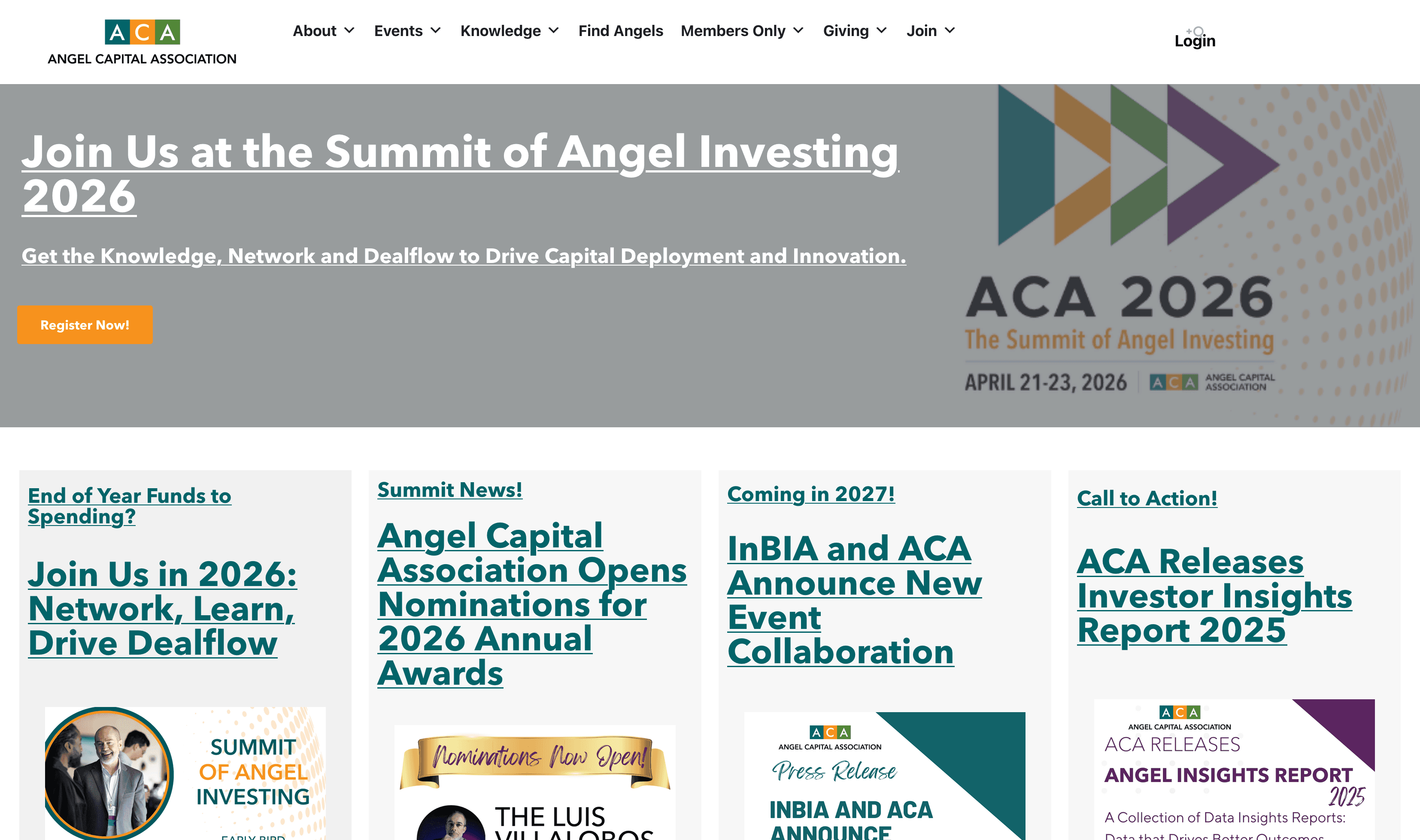
The Angel Capital Association is not a platform for casually hunting solo investors; it is the official directory of accredited angel groups across North America. If you are raising a massive Seed round and need to syndicate a $2 million block of capital quickly, pitching the groups listed in the ACA directory is highly efficient. These groups behave almost identically to institutional VC firms, deploying strict diligence processes and offering deep, collective mentorship to the founders they back.
The Alternative Route: Equity Crowdfunding
In 2026, the stigma once associated with crowd-sourced capital has completely vanished. Utilizing crowdfunding directories is now a mainstream strategy for consumer-facing startups.
7. StartEngine & WeFunder
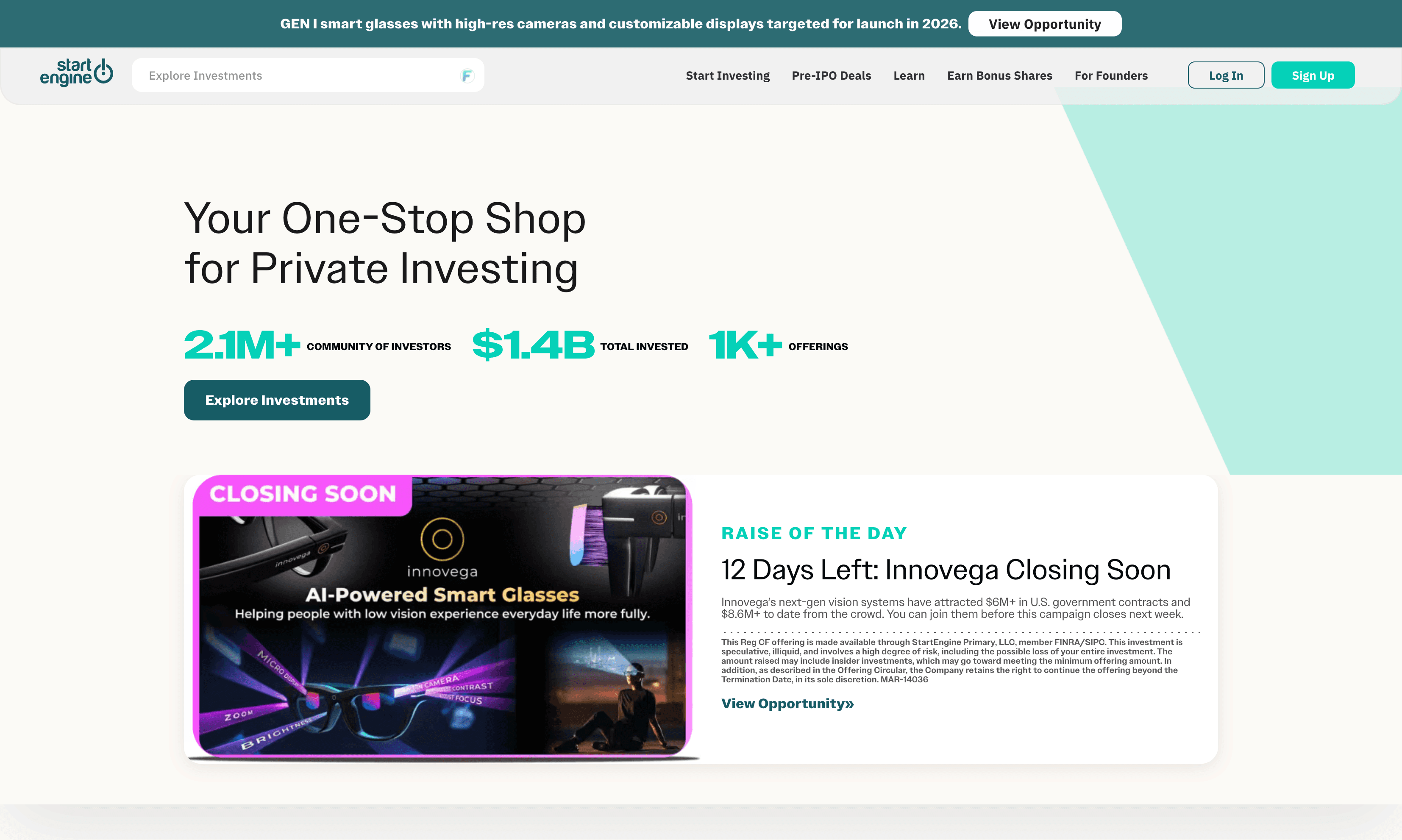
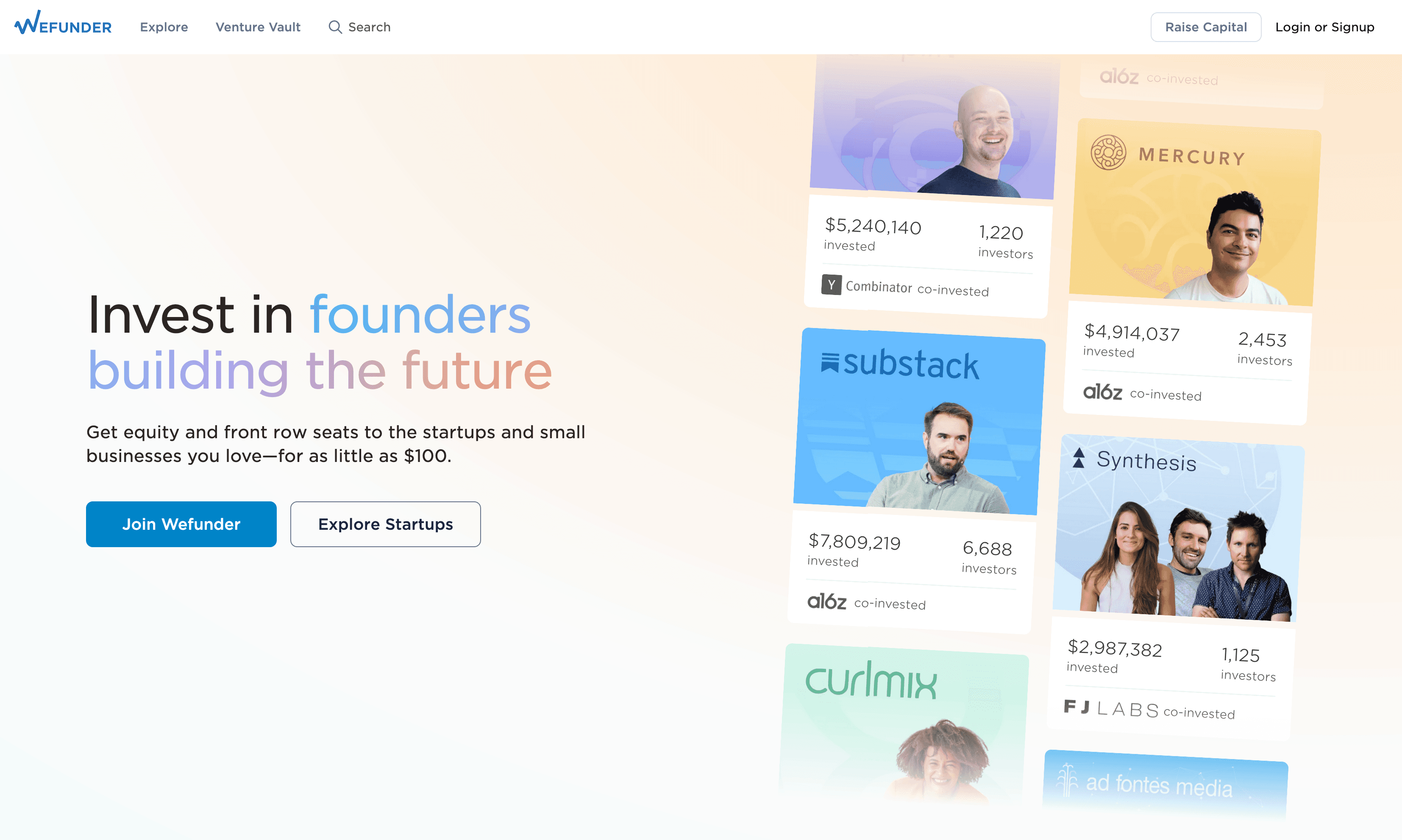
StartEngine and WeFunder are the preeminent platforms in the equity crowdfunding space. Rather than pitching one angel for a $50,000 check, these platforms allow you to pitch your entire customer base, allowing thousands of non-accredited retail investors (and active angels) to invest as little as $100 into your company.
These platforms operate as public directories. If your startup has a compelling brand narrative or solves a heavily emotional consumer problem, ranking highly on StartEngine or WeFunder can generate a massive influx of capital while simultaneously converting investors into highly loyal brand ambassadors.
Other Notable Resources for Sourcing Deals
Beyond the major institutional platforms, founders must aggressively utilize secondary directories and "shadow" networks to fill their pipeline.
8. StartupInvestorsDirectory.com
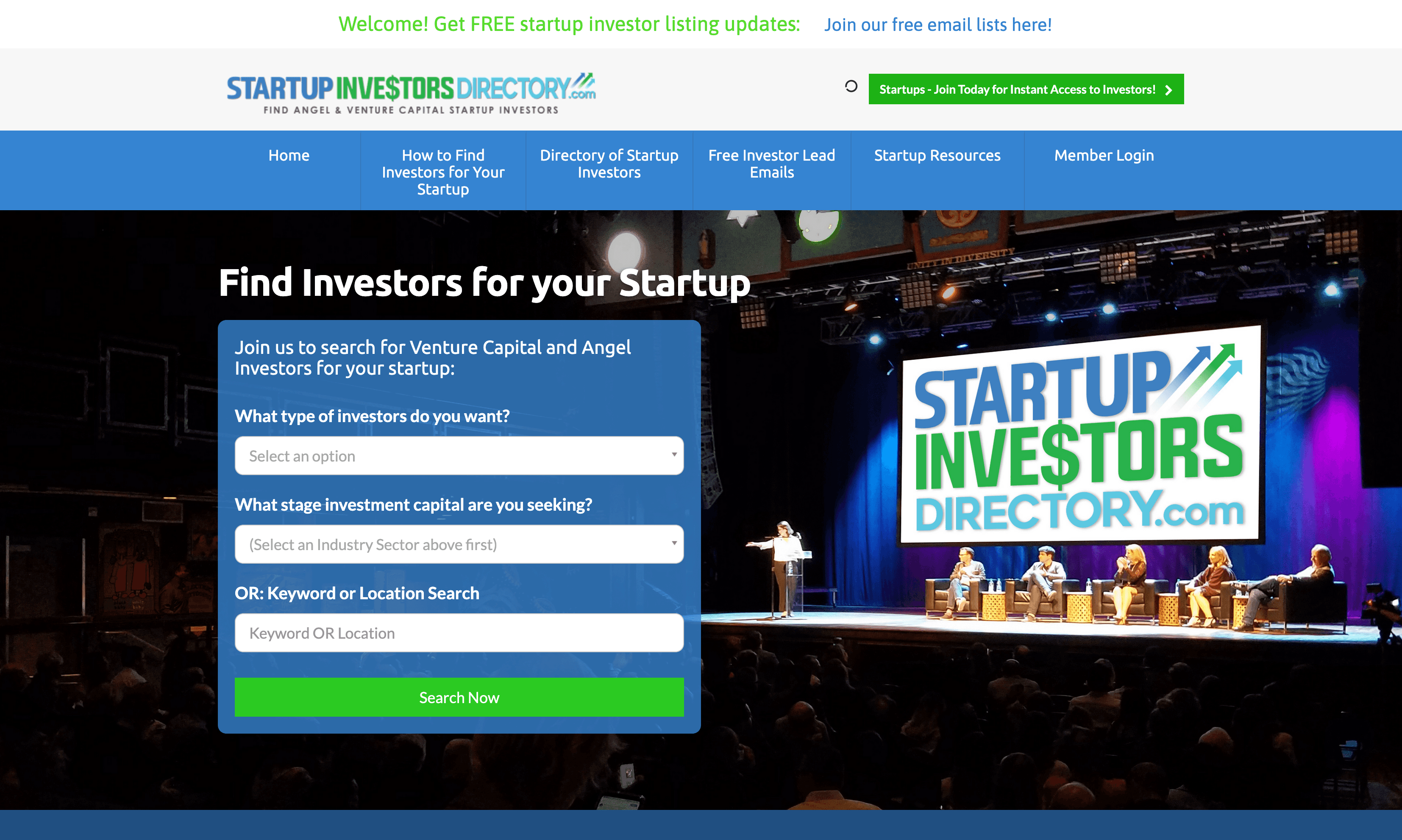
This platform offers a highly curated, easily searchable database of angel groups, VCs, and syndicates. It leans heavily into categorization, allowing founders to quickly find lists of investors focused strictly on highly obscure niches, such as maritime logistics technology or specialized agricultural tech.
9. LinkedIn & X (Twitter): The "Shadow" Directories
It is impossible to overstate the utility of social media as an active investor directory. Many of the most prolific, high-value angel investors do not list themselves on formal platforms because they are inundated with spam. Instead, they source deals through their Twitter (X) and LinkedIn networks. By leveraging advanced search functions to find individuals discussing your specific technology stack or industry problems, you can build relationships and execute direct, highly personalized outreach that completely bypasses the crowded inboxes of formal directories.
3 Key Tips for Success When Using Investor Platforms
Access to these directories is only half the battle. Your execution dictates your success. When utilizing these platforms, adhere strictly to these three principles:
Verify Active Investors: The economic landscape changes rapidly. An investor listed on a directory might not have written a check in three years. Before you spend time crafting a personalized pitch, cross-reference their profile with Crunchbase or LinkedIn to verify they have actively deployed capital within the last six months.
Ensure Targeted Outreach: Angel investors reject 99% of deals simply because the startup is outside their thesis. If an investor's profile clearly states they only fund B2B Enterprise SaaS, pitching them your direct-to-consumer beverage brand is an infuriating waste of everyone's time. Use the filters provided by platforms like OpenVC religiously. When executing this targeted outreach, objectively calculating how many angel investors you should contact ensures your pipeline is robust enough to actually yield term sheets. For a standard Seed round, expect to build a minimum list of 100 highly qualified targets from these directories.
Utilize Syndicates When Possible: Wrangling twenty individual checks is an administrative nightmare that requires endless legal fees. Whenever possible, prioritize directories like AngelList that utilize the syndicate model, allowing you to pool resources from multiple backers into a single, clean entity on your cap table.
If these free platforms leave gaps in your outreach coverage, understanding which paid investor databases deliver real value for pre-seed founders makes the upgrade decision much easier.
You Have the List. But Do You Have the Product?
Aggregating a list of the best angel investor directories for startups is a trivial administrative task. Converting those names into signed term sheets requires undeniable leverage.
Angel investors receive hundreds of pitch decks every month. They will ignore a founder pitching a theoretical idea, but they cannot ignore a founder demonstrating a sophisticated, highly scalable product with active users. If you are trying to raise capital on an idea alone, your outreach efforts will fail regardless of what highly rated directory you use.
At Zyner, we bridge the gap between concept and capitalization. We act as the technical extension of your founding team, architecting and developing a highly scalable Minimum Viable Product (MVP) designed specifically to prove your technical defensibility to the investors on these platforms.
We help founders transition from "seeking funds to build the product" to "seeking funds to scale a proven product." If you want to radically increase your response rate when reaching out to angel investors, you need a product that forces them to pay attention. Book a free strategy call with Zyner today, and let us help you build the technical foundation necessary to command your next fundraising round.
Frequently Asked Questions (FAQ)
Are angel investor directories free to use?
Most modern directories operate on a freemium model. Platforms like OpenVC offer extensive, genuinely useful database access completely free to founders. Platforms like AngelList are free to join but take a percentage of the funds raised (carry) from the investors. Avoid any obscure directory that demands a massive upfront fee strictly to view investor email addresses.
How do I approach an investor I found in a directory?
Never utilize mass-email blasting tools. Select 30-50 highly targeted investors whose thesis aligns perfectly with your startup. Send a cold, highly personalized email consisting of no more than four sentences. State who you are, what explicit problem you solve, the traction you have achieved, and a link to your pitch deck. Reference a specific investment they previously made to prove you did your research.
What is the best platform for raising a Pre-Seed round?
For Pre-Seed startups raising less than $500,000, OpenVC is arguably the most efficient platform for executing targeted cold outreach to individual angels. For founders running an immediate process with existing momentum, AngelList is exceptional for rallying syndicate backers.
Should I pay to access an investor directory?
Generally, no. The highest-quality platforms like OpenVC and specific segments of Crunchbase or AngelList offer massive utility for free or at very low costs. Paying large upfront fees strictly for an unvetted email list often yields extremely low conversion rates.
How many directories should I use simultaneously?
Instead of creating profiles on a dozen platforms, choose two or three that best fit your stage and industry. For most tech startups, combining OpenVC for targeted cold outreach and Crunchbase for reverse-diligence is an optimal, high-efficiency strategy.