A curated list of ready to go Pre-Seed Pitch Deck Templates.
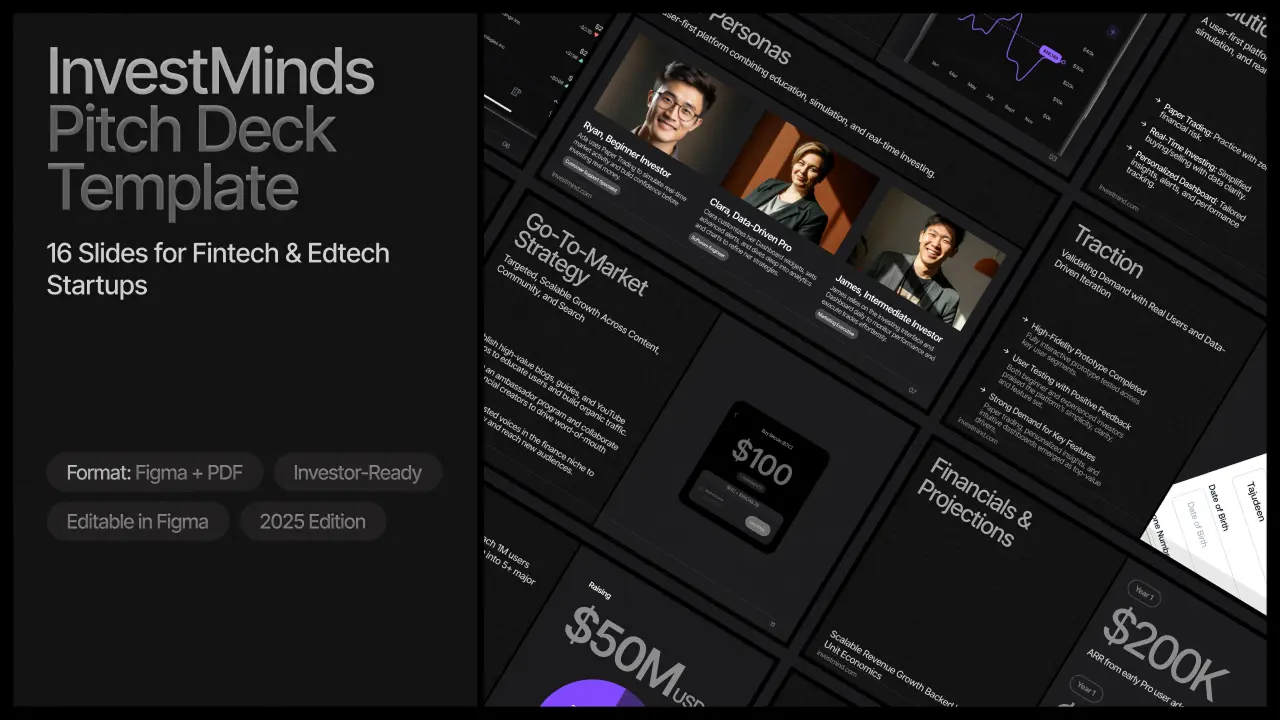
Invester Ready Pre-Seed Pitch Deck Template
Figma
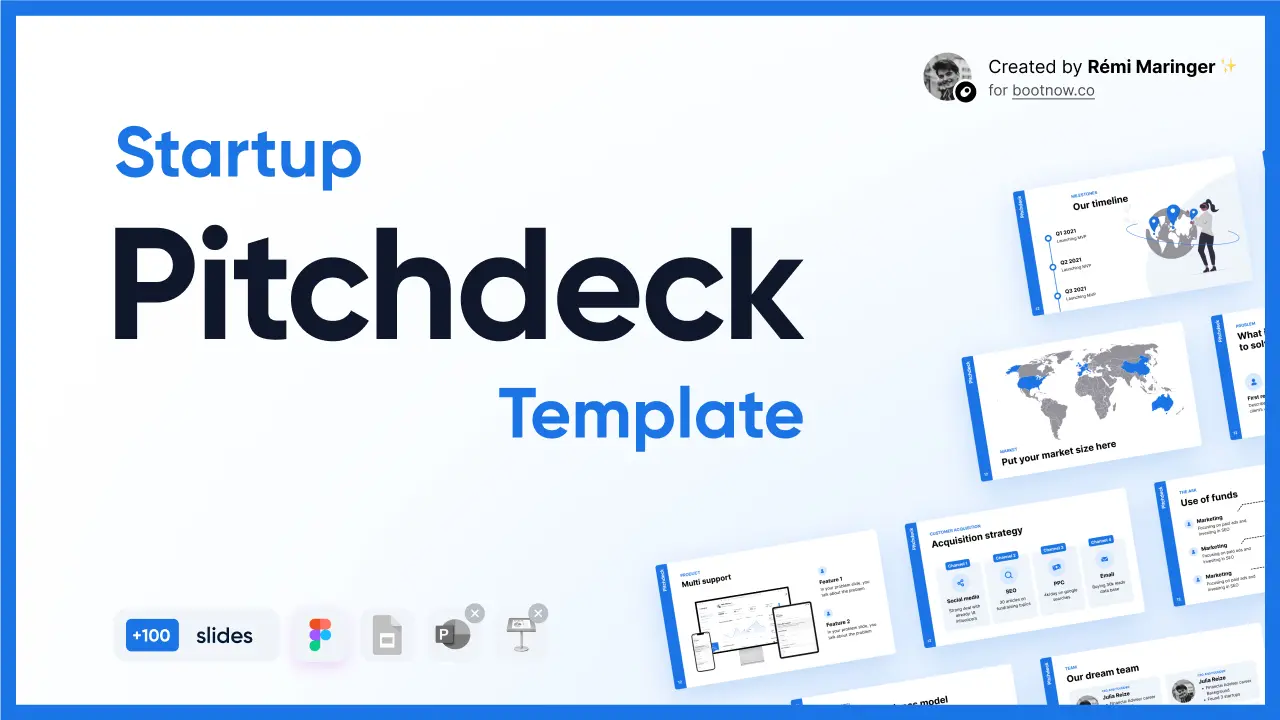
Pre-Seed Startup Pitch Deck Template
Figma
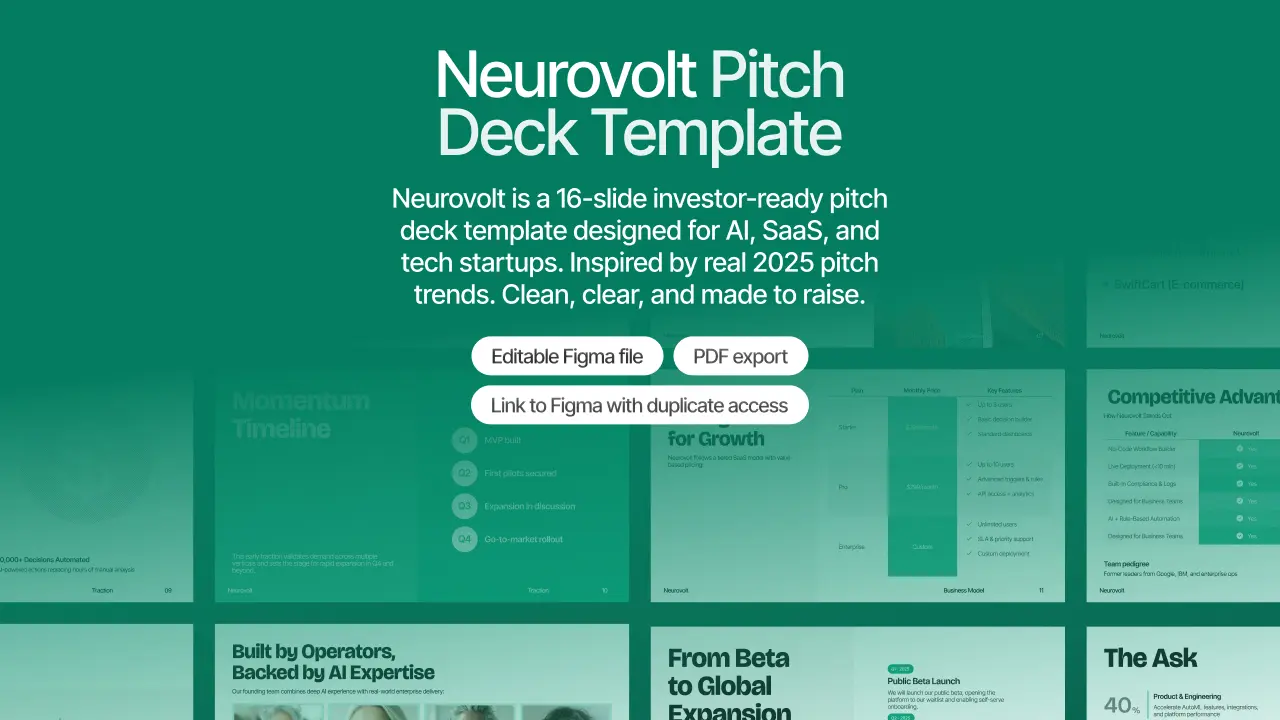
Startup Pre-Seed Pitch Deck Template
Figma

Pre-Seed Saas Pitch Deck Template
Figma
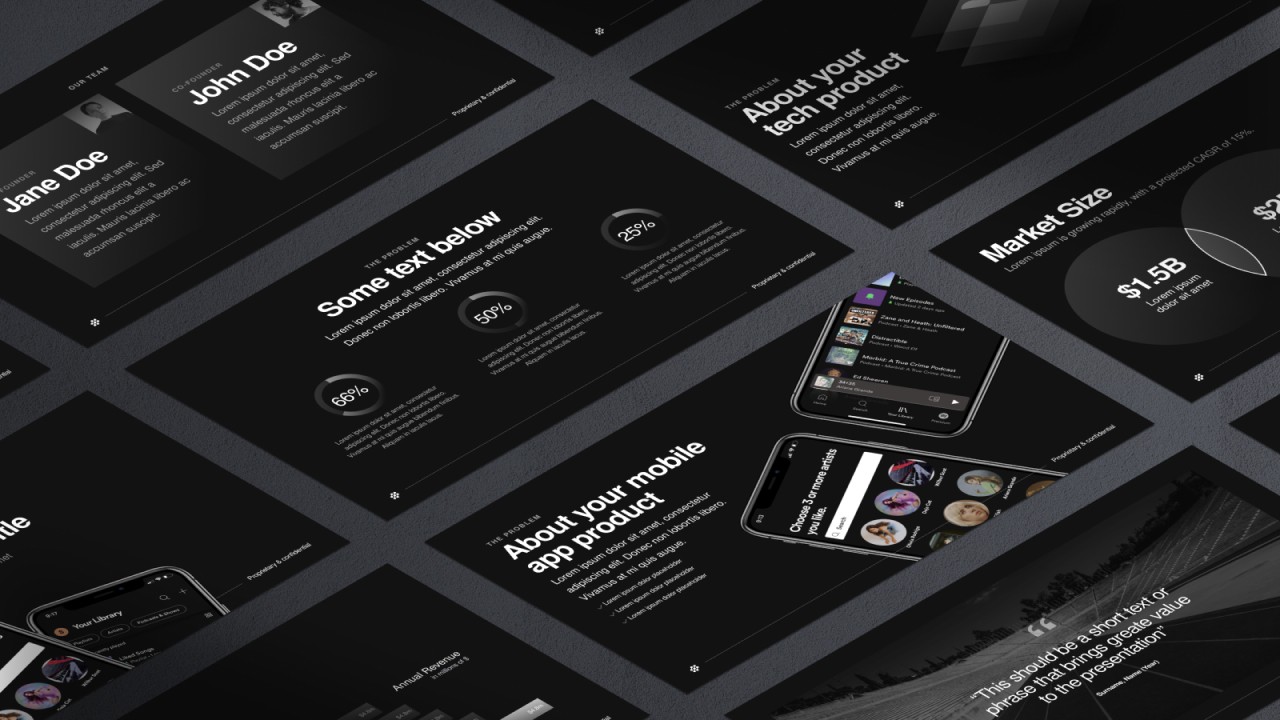
Startup Pre-Seed Pitch Deck Template
Figma
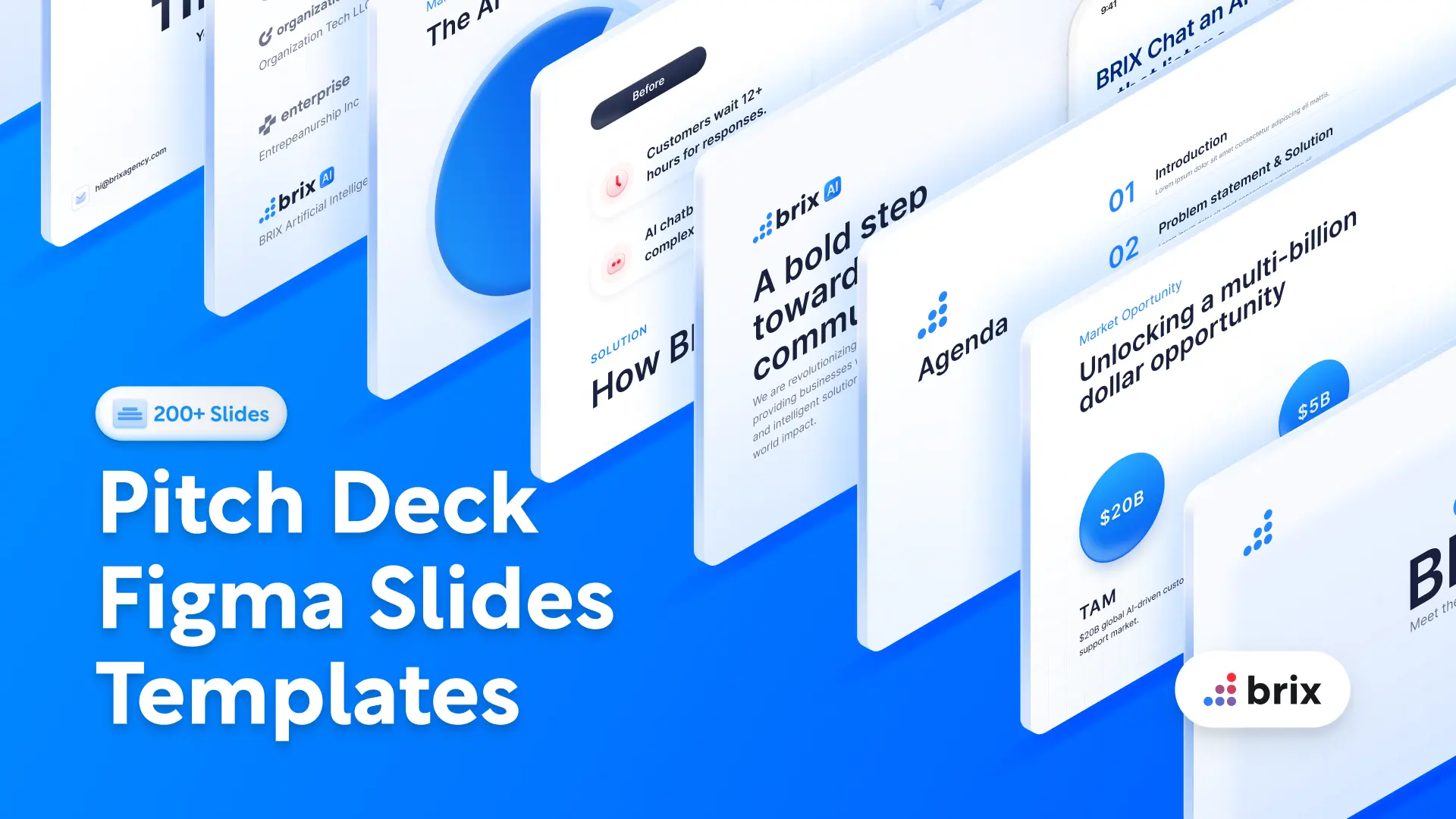
Pre-Seed Startup Pitch Deck Figma Template
Figma
What Is the Pre-Seed Stage?
Before you start designing slides, you must understand where your company stands. The pre-seed stage is the earliest formal round of startup funding. At this point, you are often moving from an idea to a working product.
Unlike later rounds, pre-seed funding is not usually about scaling a proven business. Instead, it is about "de-risking" your vision. Investors know that your startup is a high-risk bet. Your job is to show them that you have found a problem worth solving and that you are the right person to build the solution.
What are investors looking for at pre-seed?
At this stage, investors usually focus on three things:
The Team: They want to see "Founder-Market Fit." This means you have a unique background or skill that makes you perfect for this specific business.
The Problem: Is this a "must-solve" problem or just a "nice-to-have" feature? Investors look for large, painful problems in growing markets.
The Insight: Do you have a unique perspective on the market? Successful founders often have an "earned secret" that others don't see.
Why Your Pitch Deck Matters
Your pitch deck is your primary sales tool. However, its goal is not to get an investment on the first day. Its real goal is to get the second meeting.
Investors see hundreds of decks every month. They usually spend less than four minutes looking at a single deck. This means your message must be clear, fast, and visual. This is why using a professional design tool like Figma is so helpful. It allows you to create a clean, modern look that signals you are a serious founder.
The Anatomy of a Pre-Seed Pitch Deck
A great pre-seed deck usually follows a standard flow. You don't need 30 slides. In fact, most successful decks are between 10 and 14 slides long. Here is the framework you should follow.
1. The Vision
Start with a single sentence that explains what you do. Avoid buzzwords. Tell the investor exactly who you help and how you help them.
2. The Problem
Describe the pain your customers feel. Use simple language. If you can show that people are losing time or money because of this problem, you will capture the investor's interest.
3. The Solution
Show your product. Use the Figma templates above to showcase high-quality mockups. Focus on the core value, not every single feature.
4. Why Now?
Timing is everything in startups. Explain why now is the right time for your business to exist. Is there a new technology? A change in the law? A shift in how people behave?
5. Market Size
Investors want to know how big this business can become. Use the TAM, SAM, and SOM model:
TAM (Total Addressable Market): The total global demand for your product.
SAM (Serviceable Addressable Market): The portion of that market you can actually reach.
SOM (Serviceable Obtainable Market): Your target customers for the next two years.
6. The Competition
Be honest about who else is in the space. Instead of a simple chart, explain why your approach is fundamentally different from the status quo.
7. Traction
Even if you don't have revenue, show progress. This could be a waitlist of 500 people, user interview data, or a pilot program with a partner.
8. The Team
This is often the most important slide. Highlight your past achievements. Show why your team has the technical and business skills to win.
9. The Ask
Tell investors exactly how much money you are raising. Most importantly, tell them what you will achieve with that money. Mention milestones like "hiring three engineers" or "launching the beta version."
How to Use These Figma Templates
We have curated these templates from the Figma community because they prioritize clarity. When you choose a template, keep these tips in mind:
Stick to one idea per slide. Don't crowd your pages with text.
Use high-quality visuals. Use Figma's layout tools to keep your screenshots and icons aligned.
Keep it consistent. Use the same fonts and colors throughout the deck to look professional.
Frequently Asked Questions
Q1: How long should a pre-seed deck be?
Aim for 10 to 12 slides. If you have extra data, put it in an appendix at the end of the file.
Q2: Should I include financial projections?
At the pre-seed stage, investors know your numbers are guesses. Instead of a complex spreadsheet, show the "drivers" of your business. For example, show how much it costs to get one customer.
Q3: Should I send a PDF or a Figma link?
Always send a PDF. It is easier for investors to open on their phones or tablets. Use Figma to design the deck, then export it as a high-quality PDF.
Q4: Do I need a prototype to raise pre-seed?
It helps, but it is not always required. If you don't have a prototype, your "Problem" and "Team" slides must be incredibly strong. Using Figma to create realistic mockups is a great way to show what you plan to build.